
These 7 ways to budget groceries is going to save you money while eating nutritious and healthy food. Grocery shopping is one of the most important parts of the household budget.
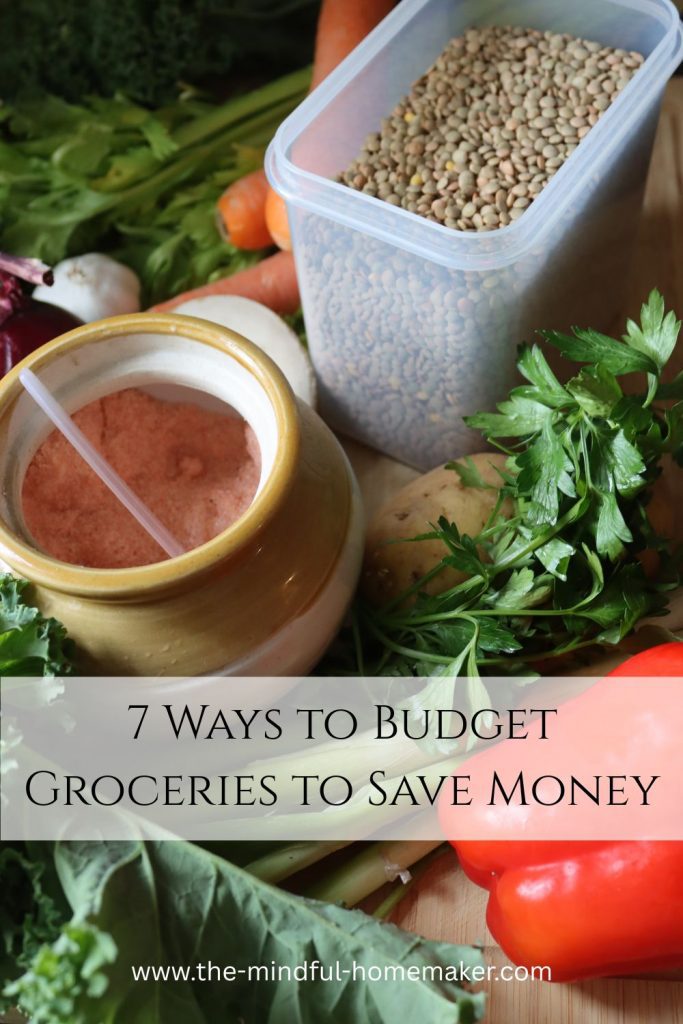
Budgeting for your groceries requires some strategic planning, smart shopping habits, and discipline.
Here are 7 ways to budget your groceries to save money.
1. Calculate your current grocery spending:
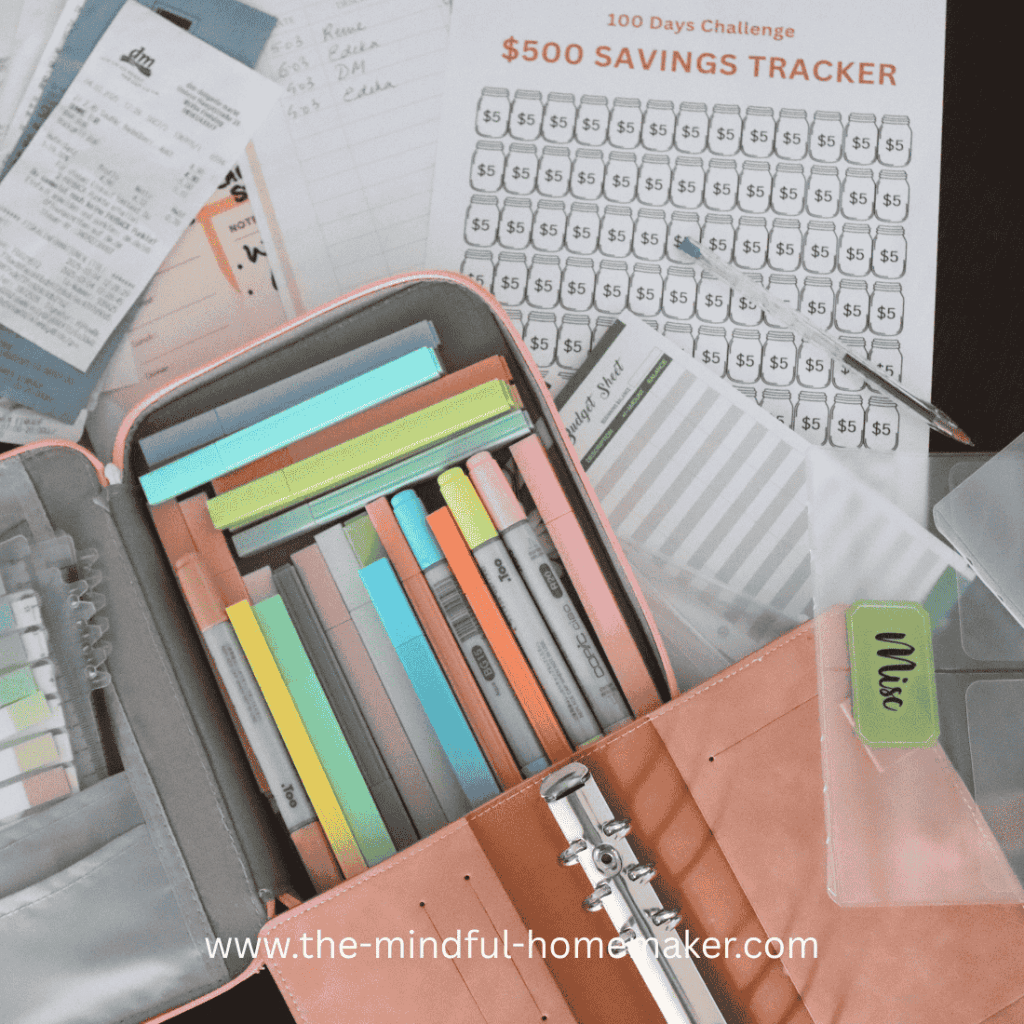
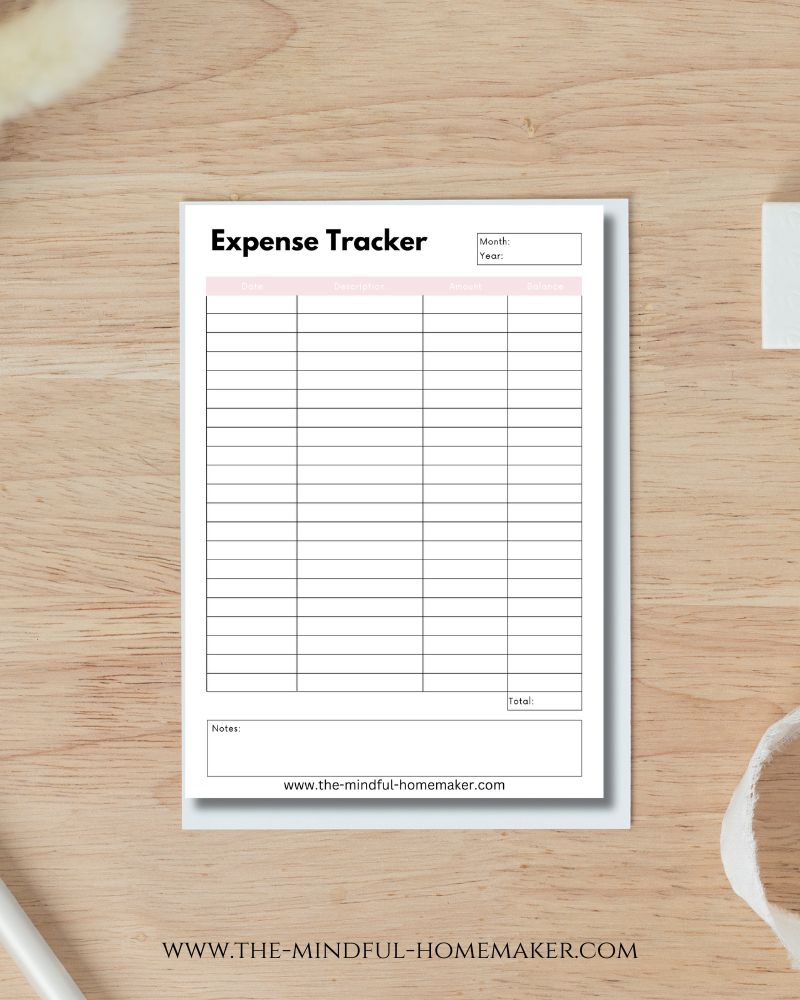
Before creating a budget, it’s important to calculate just how much you’re currently spending on groceries. Track your grocery expenses for a month or two by saving receipts from every grocery trip.
By dividing spending into essential and non-essential items you will have a better understanding of your spending habits. Try to find identifying patterns in your purchasing habits. By understanding your current spending habits, you can highlight where you may need to make changes.

2. Create a grocery budget:
Once you have a clearer picture of your grocery spending, set a realistic budget based on your financial situation. The size of your Household will largely decide the amount you spend every month. Larger families require a larger budget.
Special diets someone in the house is lactose intolerant or has allergies, may also increase costs. Communicate with your partner regarding your Income and financial goals. How you aim to save and cut costs will deeply impact your grocery budget.
A common rule of thumb is to allocate about 10-15% of your monthly income to groceries, but this can vary depending on individual circumstances.
3: Plan Your Meals in Advance
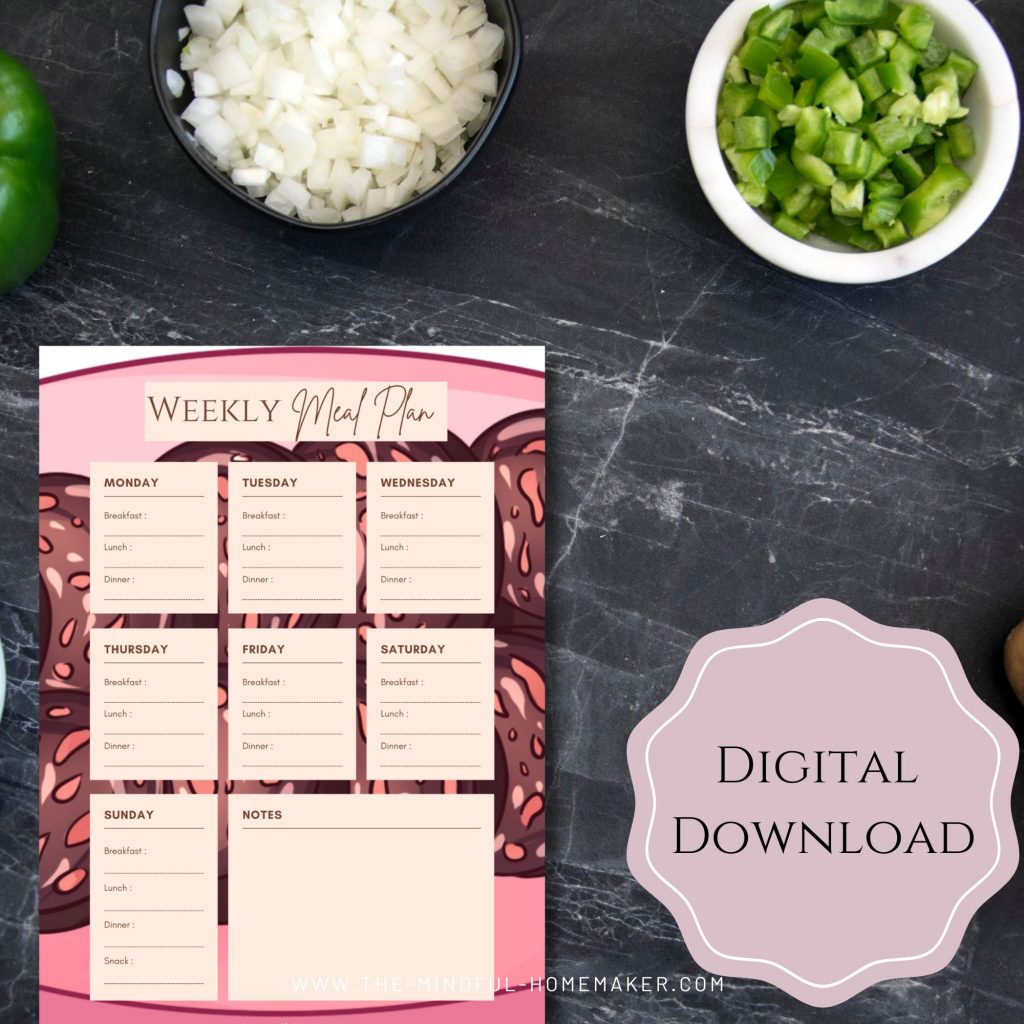
Meal planning is one of the most effective ways to stick to a grocery budget. Follow these tips for meal planning:
- Plan meals based on what you already have in your pantry.
- Incorporate budget-friendly meals such as soups, casseroles, and rice-based dishes.
- Prepare a grocery list based on planned meals and stick to it.
- Schedule a “leftovers night” to reduce food waste.
4: Shop Smart with These Strategies
a. Create a Shopping List and Stick to It
Impulse purchases can quickly derail a budget. Writing a detailed shopping list ensures you only buy what you need.
b. Buy in Bulk When Appropriate
Purchasing staple items such as rice, beans, and pasta in bulk can save money over time. However, avoid bulk purchases on perishable items unless you can freeze or use them before they expire.
c. Shop Sales and Use Coupons
- Check weekly store flyers for discounts on essentials.
- Use apps and websites to find coupons and cashback offers.
- Take advantage of loyalty programs that offer discounts or rewards.
d. Compare Prices and Store Brands
- Generic or store-brand products often provide the same quality as name brands at a lower price.
- Compare prices per unit (e.g., cost per ounce) to get the best deal.
e. Shop Seasonally and Locally
Buying fruits and vegetables that are in season is usually cheaper. Farmer’s markets and local stores often have fresh produce at better prices.
f. Limit Processed and Convenience Foods
Pre-packaged and processed foods tend to be more expensive. Cooking from scratch saves money and is often healthier.


5: Reduce Food Waste
Minimising food waste is a crucial aspect of budgeting groceries. Implement these strategies:
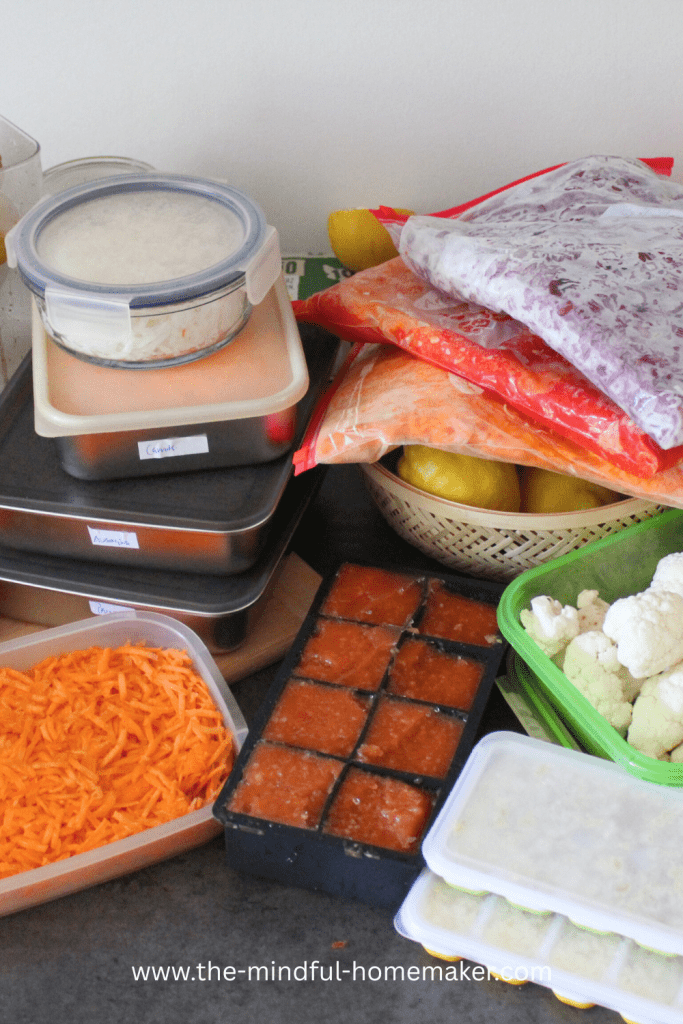
- Store food properly to extend its shelf life.
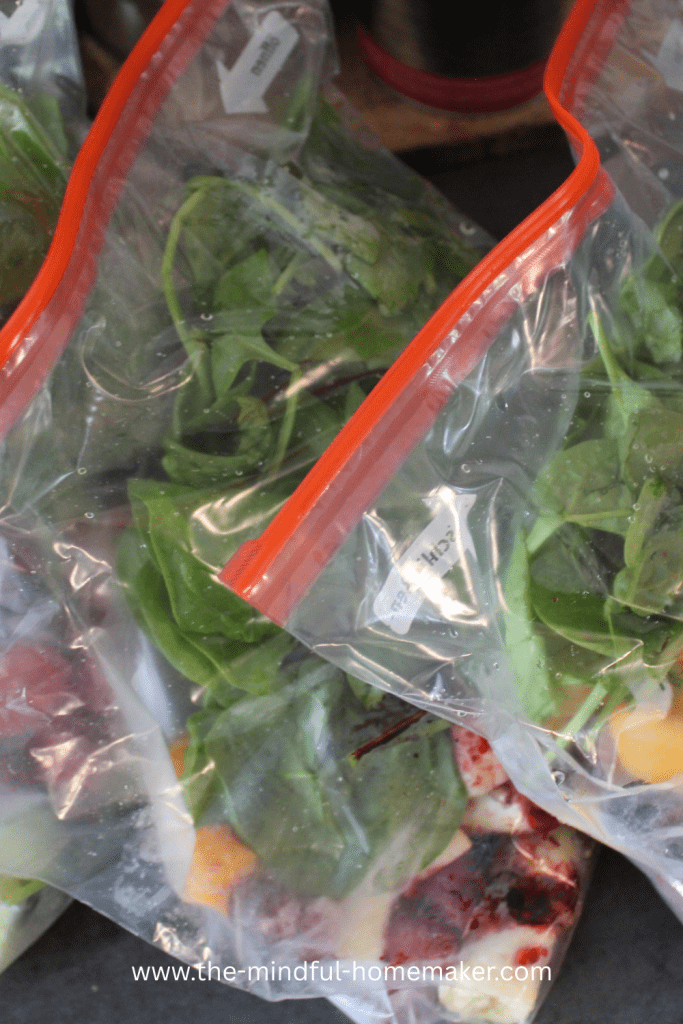
- Freeze leftovers for future meals.
- Repurpose leftovers into new dishes (e.g., turning roasted chicken into soup).
- Use expiration dates to prioritise consumption of perishable items.
6: Utilise Technology for Budgeting and Savings
Various apps can help track grocery spending and find deals. Some useful options include:
- Grocery budgeting apps
- Shopping list apps** to keep track of what you need.
- Cashback and coupon apps to earn money back on purchases.


Step 7: Adjust Your Grocery Budget as Needed
Regularly reviewing and adjusting your grocery budget ensures it remains effective. If you find yourself consistently overspending, analyse your shopping habits and look for areas to cut back.
Conclusion
Budgeting groceries effectively requires planning, discipline, and smart shopping techniques. By assessing spending, setting a budget, planning meals, shopping wisely, and reducing waste, families can significantly cut costs while maintaining a healthy diet. Implement these strategies and watch your grocery bill shrink while keeping your household well-fed.
This post is all about 7 Ways to Budget Groceries to Save Money, that every homemaker should know.
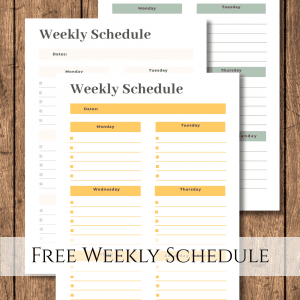
Find the perfect FREE Printables for your budgeting and meal planning needs!
Leave a Reply