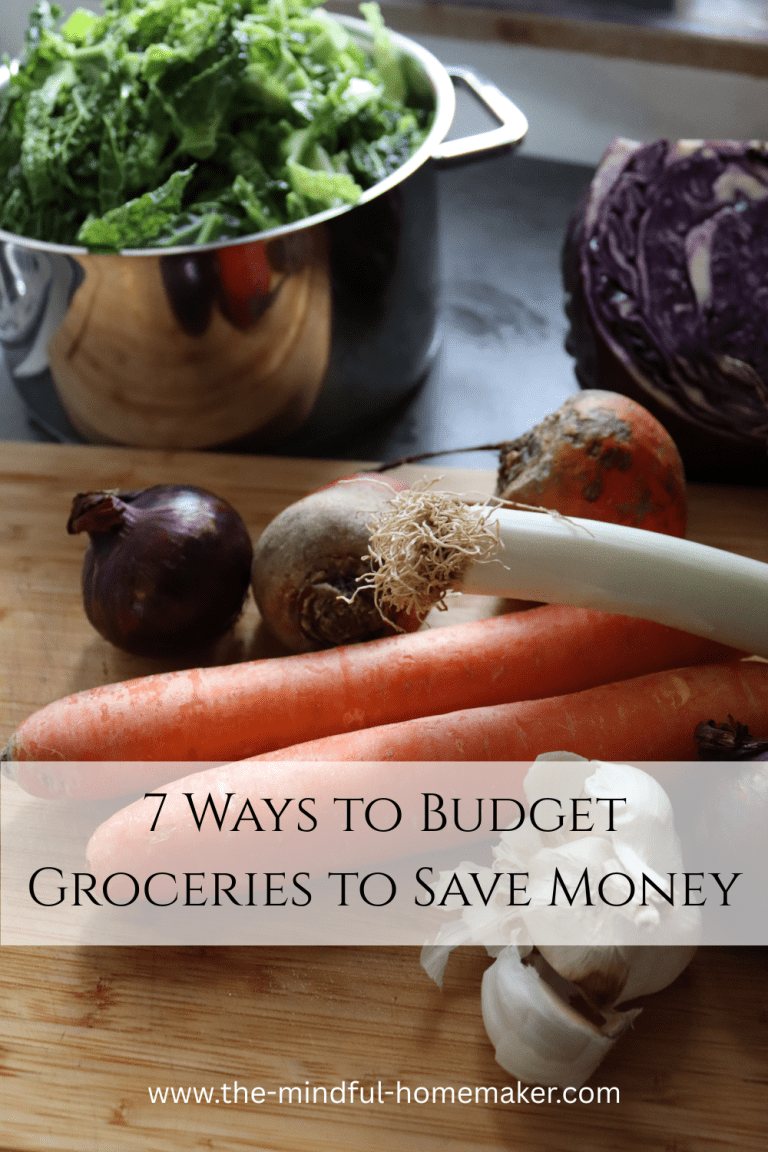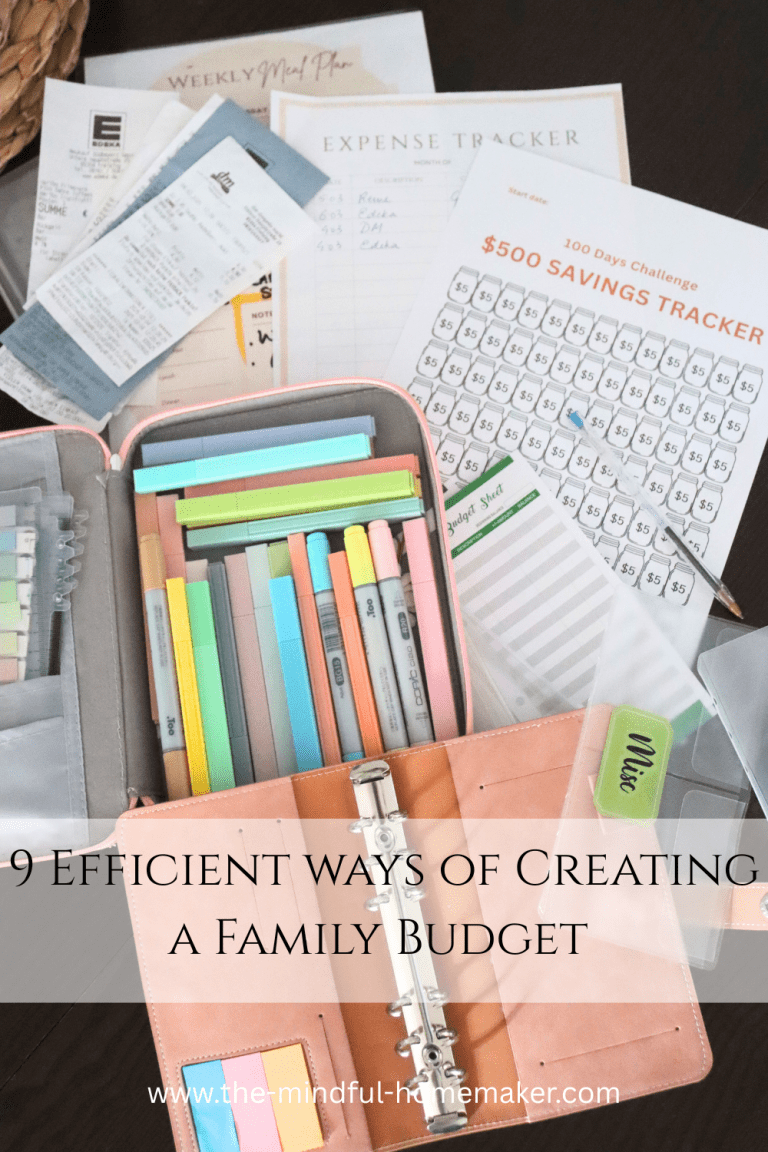

Saving money on groceries is become more and more challenging in today’s economy. Planning in advance, shopping wisely and storing food correctly, all are essential to help save money on groceries.
Follow these 15 ways to save money with meal planning to get the most out of your budget.
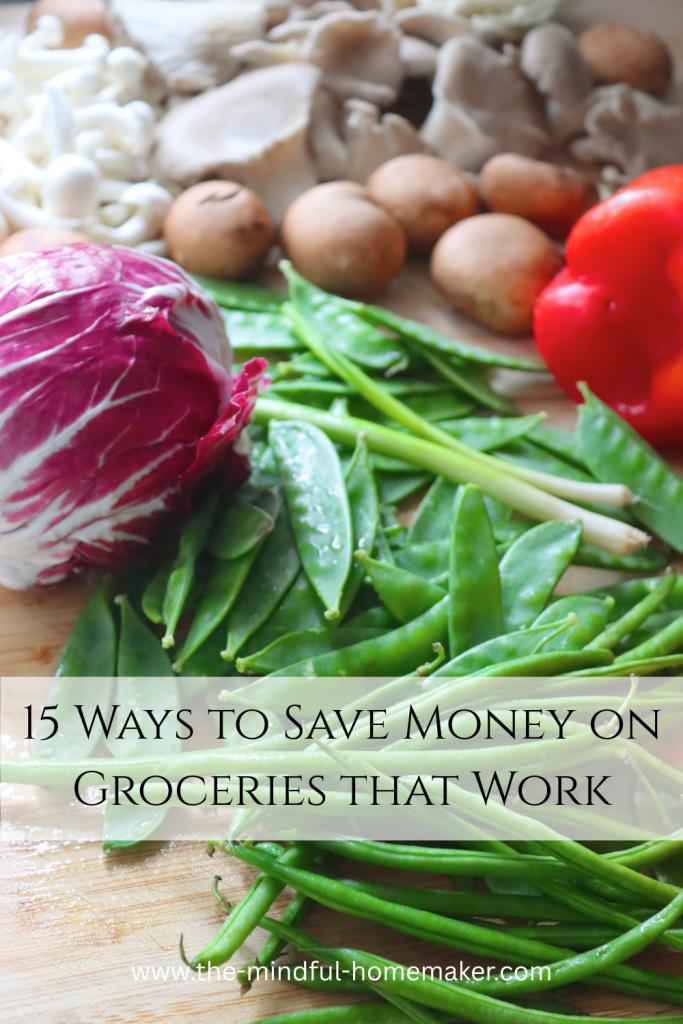
This post is all about 15 ways to save money on groceries that work.
1. Create a food budget:
To create a food budget, divide your week’s food money between meat, groceries, fruit and vegetables, cereals and grains etc.
Note down your food expenses every time you shop for the first 2 or 3 months. This will give you an idea of exactly where your money is going.
See where you tend to spend the most and keep this in mind for next time.
Perhaps you will find a way to reduce that amount by substituting it with something else.
2. Create a menu plan:
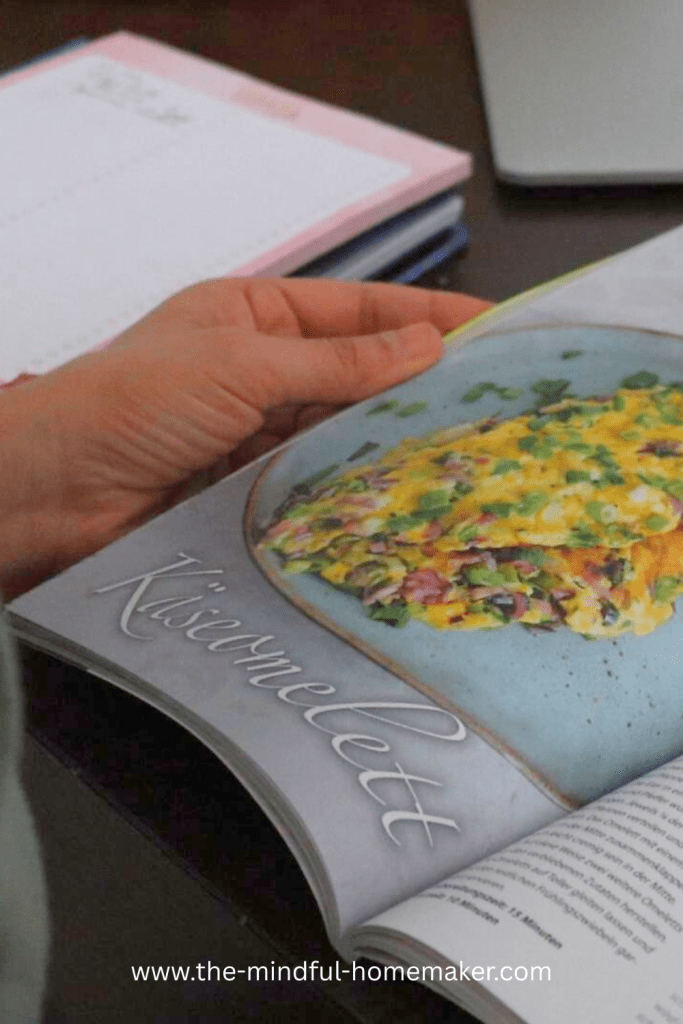
Before shopping, have a menu plan ready so that you know which ingredients you need to shop for.
Your shopping list could be ingredient based or meal based, depending on how you manage your home.
Make a detailed shopping list for each week’s worth of meal planning.
3. Shop your pantry:
The first step in making a meal plan is to shop the existing foods and base your menu on what is already available.
Choose a main dry staple as the starting point, such as rice or pasta. Then shop your fridge to see what to add to that rice or pasta.
Add to the shopping list anything else you need to complete the meal.
4. There is a best time for food shopping:
It is best to go shopping either on a Tuesday or on a Friday. The stores are not always fully stocked on Monday mornings as they haven’t received the deliveries over the weekend.
You don’t want to go shopping during the weekend as there are too many people in the shops, and this will delay you.
Furthermore, many things could sell out and not be available which might cause you to drive to other places to find them.
Try to stick to shopping for food no more than twice a week. Anymore and it is a waste of time, money and energy.
4. Buying fresh foods:
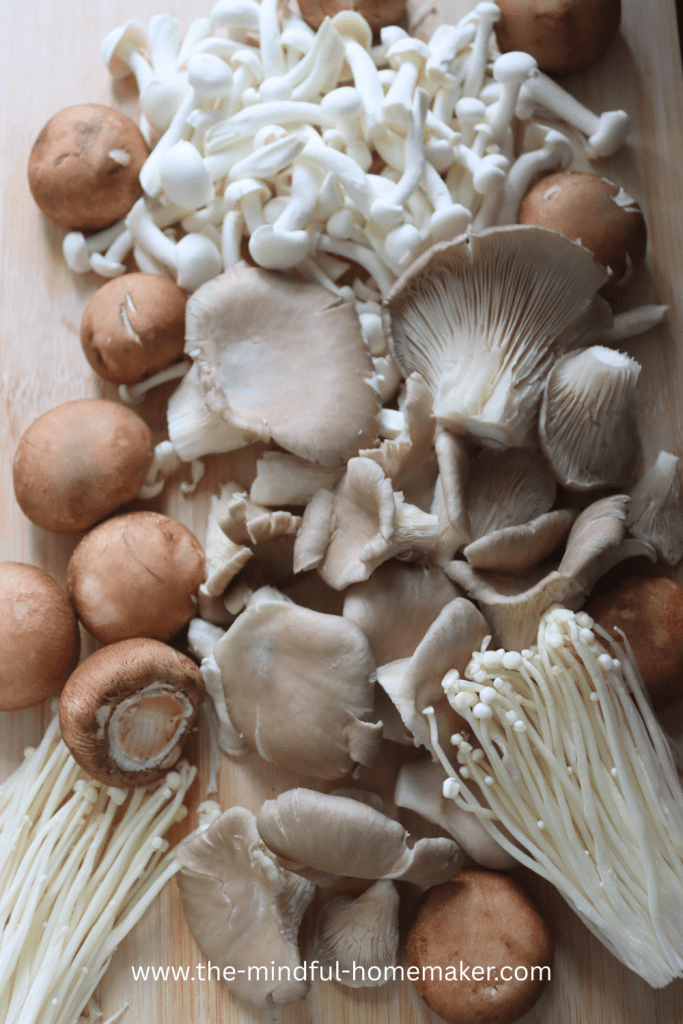
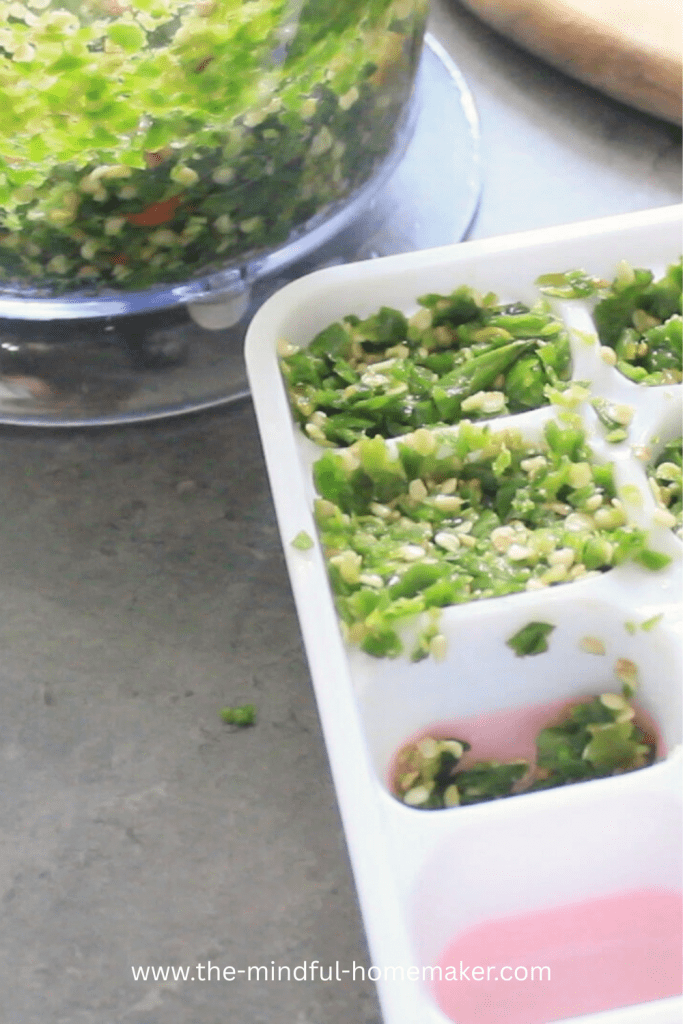
Perishable foods like meats and some vegetables can be bought three days in advance. For them to remain fresh, be sure to store the meats in the refrigerator and the vegetables in the cold room if you have one.
We keep extra potatoes and other tubers in the basement.
Buy small portions of perishable foods to avoid cross contamination.
5. Freeze what you don’t use:
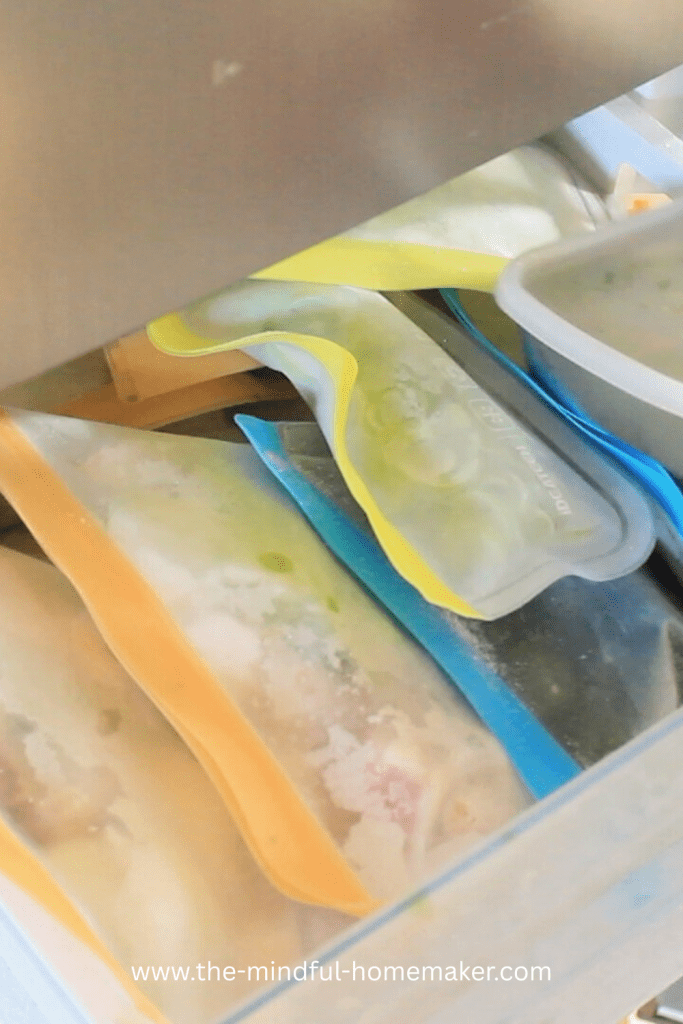
If you buy too much and feel you can’t use up the particular food or meal before it expires, freeze it.
If you can’t store them longer or if there is no more space in your refrigerator, make sure to cook them and store or freeze them. Thaw when you are ready to eat.
Curries and soups freeze really well.
Love printables?
Join in to get access to all our newly released downloads and offers! Sign up to become part of a growing community of women!
6. Buying dry foods:
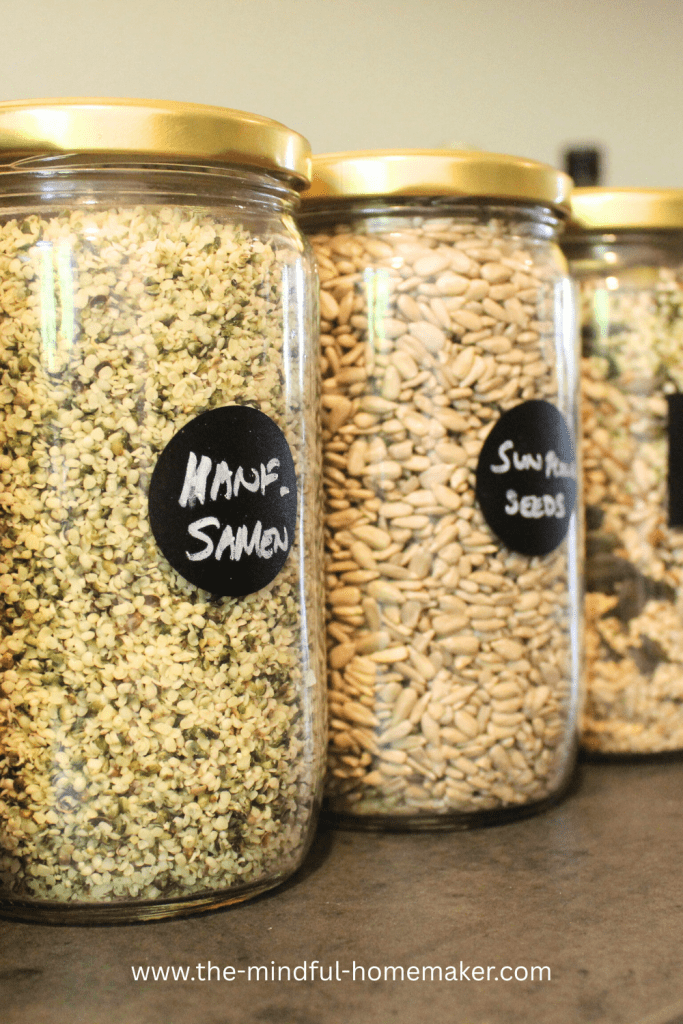
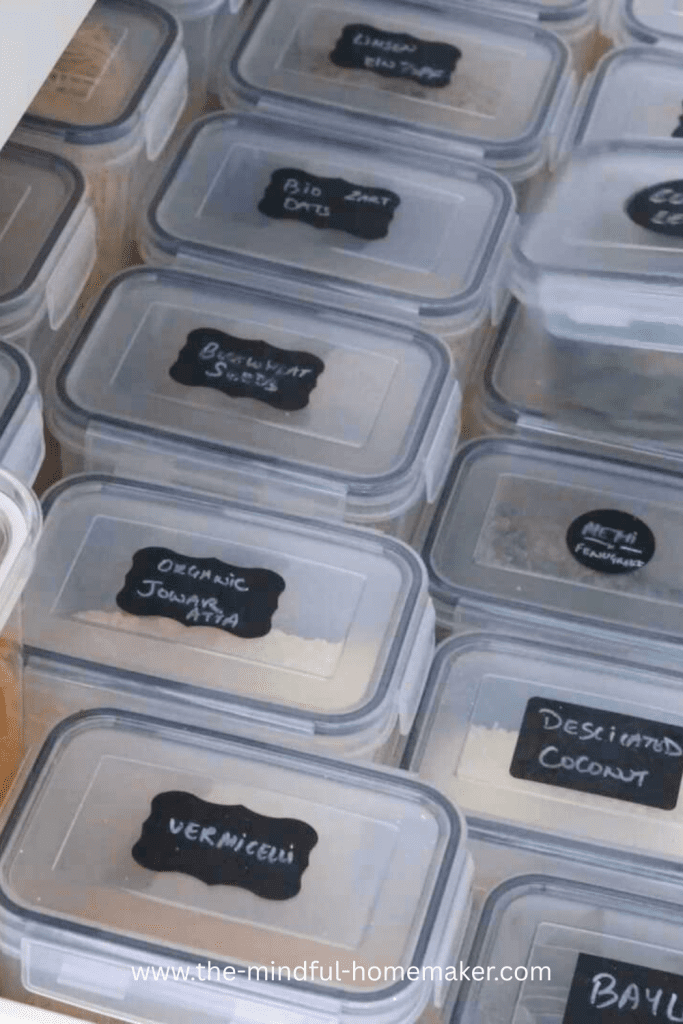
Foods such as flour, dried beans and lentils, cereals and canned foods can last longer and do not need to be refrigerated. Try to maintain the supply and shop no more than once every two months.
Canned foods can last quite a while as long as the cans are not damaged. Be sure to check for damage and leaks when shopping for canned foods.
7. Shop seasonally:
When you shop and eat seasonal produce, you tend to buy from the region around you. Not only is this better for the environment, but it’s also easy on the wallet. Eating food grown in another part of the world regularly, can burn a hole in your wallet.

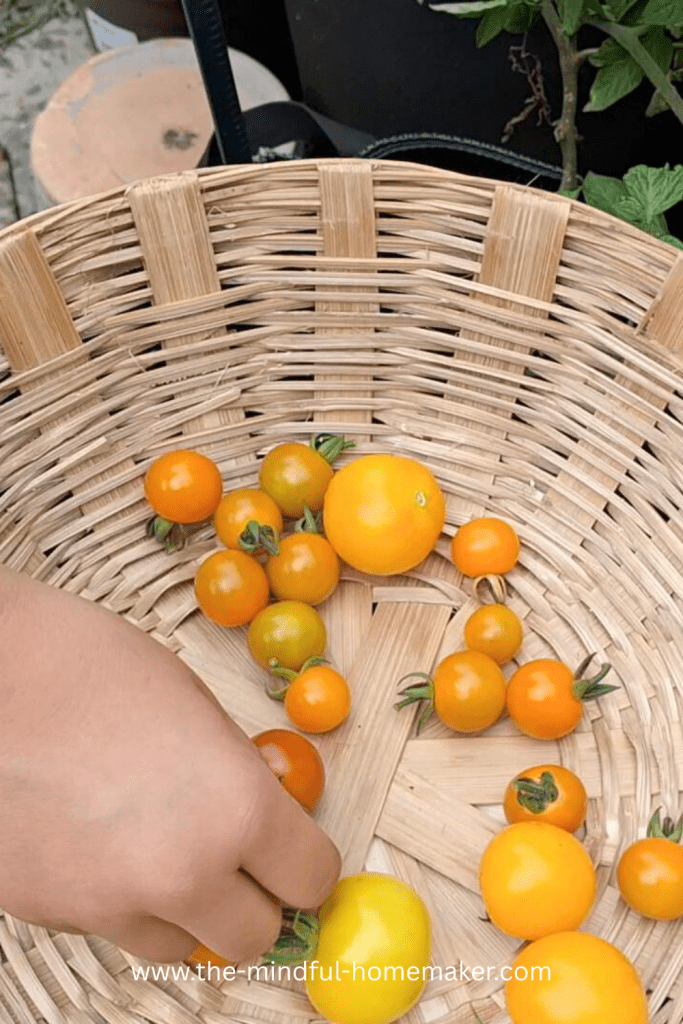
8. Grow what you can:
If you are lucky enough to have a small gardening space, then you can cut costs by growing easy vegetables. Carrots and radishes are easy to grow and fun for the kids too. If you live in an apartment, think about container gardening. A single container 2 feet long can give you four heads of lettuce.
If you plan your planting, you can save a bit of money on herbs and salads.
9. Barter what you can:
If you have a neighbour with a fruit tree or a garden that produces too much for their needs, offer to trade with some produce of your own.
10. Canning extra produce:
When you come across a good deal on seasonal veggies and fruit, for example strawberries, buy a bit more to can and turn into jam.
This saves money on store bought preserves and is much healthier!
11. Balance your meals:
This can be achieved using staples like rice, potatoes, and pasta, as well as vegetables.
Don’t fill up on just meats. Meat is tasty, but expensive. You can stretch it further with recipes like chicken pasta, sausage red beans and rice, beef with mushrooms and so on.
12. Don’t rule out pre-cooked meals:
In some instances, precooked food is cheaper than cooking from scratch. For example a sale on rotisserie chickens.
Get a precooked rotisserie chicken from the grocery store and turn into Chicken wraps, quesadillas, soup, salad, pot pies etc.
You could add noodles and sautéed veggies to it and make a lovely chicken noodle soup or stir fry it with rice and you have chicken fried rice.
13. Make coffee at home to save money:
Stop spending $5-$8 on your Starbucks drinks. Making coffee at home is not only cheaper, it’s healthier! A lot of drinks from fast food places or coffee shops have too much sugar.
14. Frozen Foods:
Frozen seafoods such as shrimps, mussels, fish, etc are very convenient and often cheaper. Frozen meats and vegetables can be bought on sale.
If you feel the frozen taste in them is too strong, just mask the flavour and season them with garlic, chilli oil, or whatever you favourite seasoning is.
Frozen fruits like blueberries and raspberries are my favourite as they are much cheaper than fresh fruit. Use them in your breakfast or in smoothies.
15. Don’t shop when hungry:
This is something that has personally worked for me. I make sure to eat a meal before entering the supermarket. You will most likely end up buying too much if you are already hungry.


16. Make food from scratch to save money on groceries:
Making things from scratch is generally cheaper than buying pre made meals and definitely healthier.
If time is a constraint, make extra and freeze it so you don’t have to cook a meal every day.
Budgeting and planning your meals doesn’t mean you can’t experiment with new and exciting menus. It also doesn’t mean you have to compromise on your health and nourishment.
Cheaper is not always better, but if you plan properly and allow for occasional indulgences you will find that you can have your cake and eat it too.
If you enjoyed this post, then check out more like it here:
For free Meal Planning Printables, click here:
I love hearing from my readers. I would love to know your thoughts on budgeting and meal planning. Be sure to leave a comment down below and I will get back to you as soon as I can.