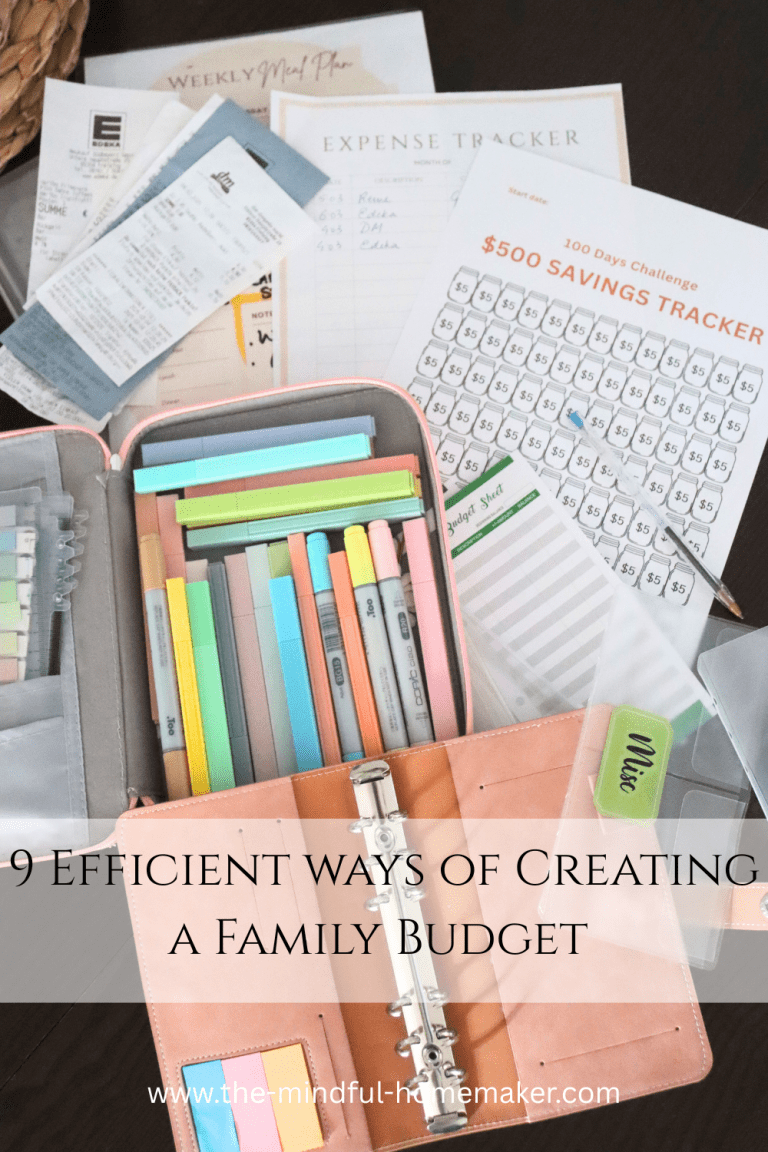

Being frugal in these challenging times is such a necessity, which is why it’s important to plan the family budget with kids. By involving your children in the budgeting process , you teach them financial literacy and responsible spending habits from an early age.

This post is all about how to plan the family budget with kids
Working with your children to help them plan their finances is a surefire way to teach them financial responsibility.
Here are 9 Awesome ways to plan the family budget with kids.
Step 1: An Overview of the Financial situation :
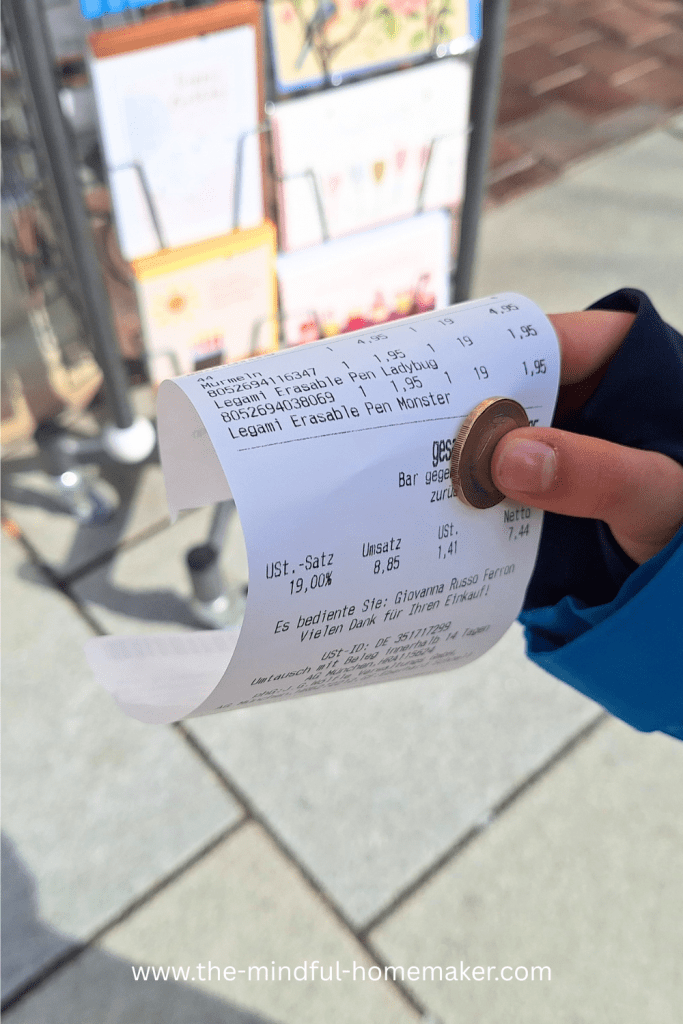
Before creating a budget, gather information about your family’s financial status. This task can be divided by age. For E.g, older children can help track household expenses by recording receipts or updating a digital spreadsheet. Younger children on the other hand can collect and sort grocery receipts to understand spending patterns.
Step 2: Discussing Financial Goals
Have a family discussion about shared financial goals. Encourage kids to set their own savings goals, such as saving for a toy or a school trip. You can also use a visual goal tracker, such as a savings jar or a chart, to keep everyone motivated.
Love printables?
Join in to get access to all our newly released downloads and offers! Sign up to become part of a growing community of women!
Step 3: Create a Budget
Now that you have financial goals, develop a budget that ensures your income covers expenses while leaving room for savings. Use a simple budgeting framework, such as the 50/30/20 rule:
- Kids can participate by understanding the difference between needs and wants.
- Encourage them to contribute ideas on how to reduce expenses, such as turning off lights to save electricity.



Step 4: Track and Adjust Spending
A budget is effective only if regularly monitored. Use budgeting apps, spreadsheets, or notebooks to track spending and compare it to your planned budget. Adjust where necessary.
And most importantly, make the process fun!
- Assign kids the role of “electricity police” to remind family members to turn off unused appliances.
- Give older children a small grocery list with a budget to practice cost-conscious shopping.
Step 5: Reduce Expenses and Find Ways to Save
Involve your kids in the everyday mundane tasks.
- Kids can help plan meals and check for sales or coupons before grocery shopping.
- Encourage them to find creative and/or free entertainment ideas.

Check out our Free Budget and Finance Printables.
Step 6: Build an Emergency Fund
An emergency fund acts as a financial safety net for unexpected expenses, such as medical bills or car repairs. Aim for at least 3-6 months worth of living expenses in a dedicated savings account.
- Teach kids the importance of saving by encouraging them to set aside part of their allowance for emergencies.
- Set up a family emergency fund jar where everyone contributes spare change.
Step 7: Pay Off Debt Strategically
Talk to your children about the dangers of accumulating unnecessary debt.
- Older kids can help compare interest rates and create a repayment chart.
- Encourage kids to avoid unnecessary borrowing by practicing delayed gratification.


Step 8: Plan for the Future
Financial planning extends beyond day-to-day budgeting. Consider long-term financial security, college funds etc.
- Teach children about compound interest using real-life examples.
- Encourage them to start their own savings accounts.
Step 9: Communicate and Involve the Whole Family
Budgeting should be a family effort. Hold regular budget meetings to discuss finances, track progress, and make adjustments.
- Let kids take turns leading family finance discussions.
- Encourage them to share cost-saving ideas.
Creating a family budget that works requires teamwork, discipline, and continuous improvement. By involving children in the budgeting process, families not only achieve financial stability but also equip the next generation with essential money management skills.
Find the perfect FREE Printables for your budgeting financial planning needs!