
As a parent, one of my biggest challenges has been for the kids to follow a bedtime routine.
Some young children naturally struggle with falling asleep. This is why a good and consistent routine will help with bedtime challenges.
A good bed time routine not only makes the nights easier but it also helps in establishing healthy sleeping habits that will carry forward in life.

This post is all about 5 Great Reasons why Your Kids Need a Bedtime Routine
Depending on your child’s age, a bedtime routine will follow certain key points.
For example, babies and toddlers are often guided by their internal clocks. However, sometimes they need a little bit of help.
Establishing a bedtime routine for kids will encourage better sleep habits, rhythm, organisation and structure for them.
Instead of struggling with the constant fussing, make the experience predictable and fun.
Children are driven by predictability as it creates less anxiety and uncertainty. Bedtime becomes less of a wrestling game when children feel secure and know what to expect.
So how important is a Good Bedtime Routine?
Studies have shown that a child who consistently adheres to a bedtime routine will go to bed earlier each night, fuss less to fall asleep, and be less likely to wake throughout the night.
Interestingly children who followed bedtime routines tend to have a better quality of sleep even when they become adults.
Children who sleep well also show better cognitive development. Sleep plays a crucial role in memory retention and learning.
Better sleep quality helps promote better emotional regulation. Children who have a regular sleep schedule and good sleep quality are less irritable and better able to manage their emotions.
There is also an important physical aspect of good quality sleep. Growth hormones are released during sleep that help in proper development.
Bed time routines also help to nurture the bond between parent and child by providing quality time together.
Here are 5 Great Tips to follow an easy and stress free bed time routine for children:

1.Day time activities
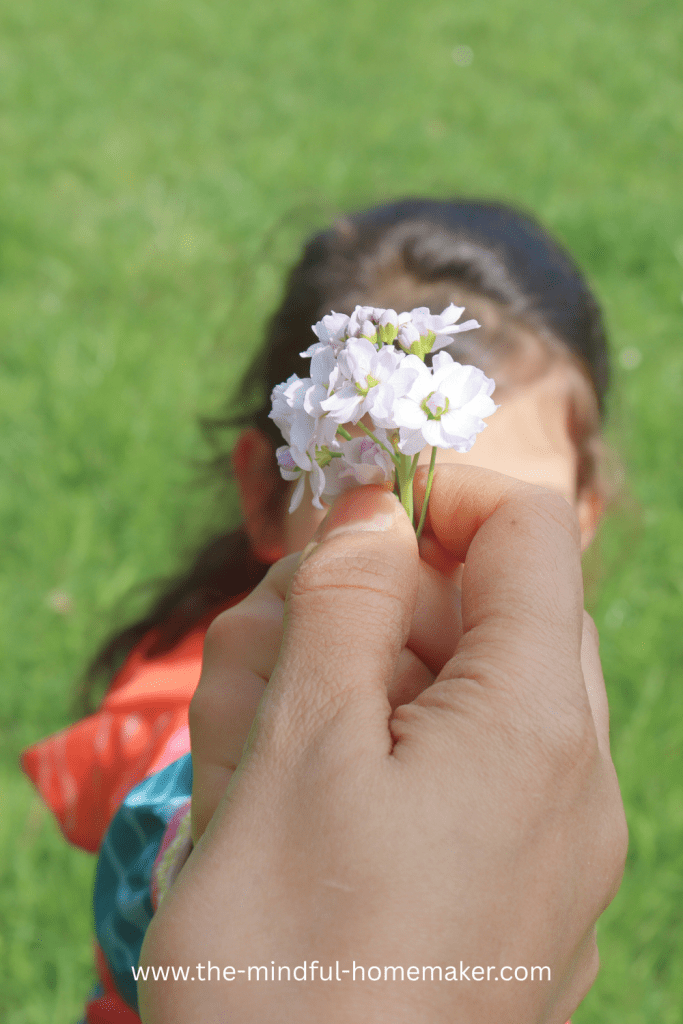
A good bed time routine starts during the day. A child that has played and eaten well during the day will be easier to put to bed later in the evening. Exposure to natural light, physical activity and cognitive stimulation, all help contribute to better sleep.
However, an infant who is over tired or over stimulated will not be able to quieten down in time for the bed time routine. The trick is to find the balance between just enough and not too much!
2. A good dinner:
Allow your child to guide themselves on how much they want to eat. Oftentimes, worried parents will overfeed their small children. This results in a full belly and wrestling with sleep.
It is also a good idea to not feed the child too close to bedtime. Limit sugar intake a few hours before bedtime. Sugar spikes have been known to disrupt sleep patterns.
Provide healthy and nutritious meals rich in proteins, vegetables and healthy fats. Some children sleep better when given warm milk before bedtime.


3. A gentle bath:
A warm and relaxing bath before bed will calm your child. Adding a bath before bed is a good time to spend bonding time with your little one. Water is excellent in relaxing and calming us.
You can use the bath time to play soothing music to signal bedtime. Consistently adding smaller rituals will signal to the brain that it is time to slow down.
Avoid over stimulating toys and games in the bath as this will make the child excitable just before bed.
4. Reading time:
Try to find a few minutes for this simple yet very important ritual. Dividing tasks with your partner and alternating them will allow both of you quality time with the baby. Reading has been proven to create deeper bonds with young children. It has also been shown to increase cognitive development of the child.
5. Create a good sleep environment:
Creating a good sleep environment for your young ones is crucial for a restful sleep. Ideally, the room should be cool and dark. You can try using Black our curtains to achieve this. A comfortable blanket, mattress and pillow will be important not only for sleep but also to properly support the spine and neck.
Avoid using the bed as a play area. This is because the brain will start associating the bed with awake activities and the child may too over stimulated to sleep.


The importance of Consistency.
A bedtime routine models consistency through a set of repeating activities that are done every night before bed.
These routines prepare the mind of your child for sleeping and replaces the situation where you are constantly becoming agitated with them for refusing bedtime.
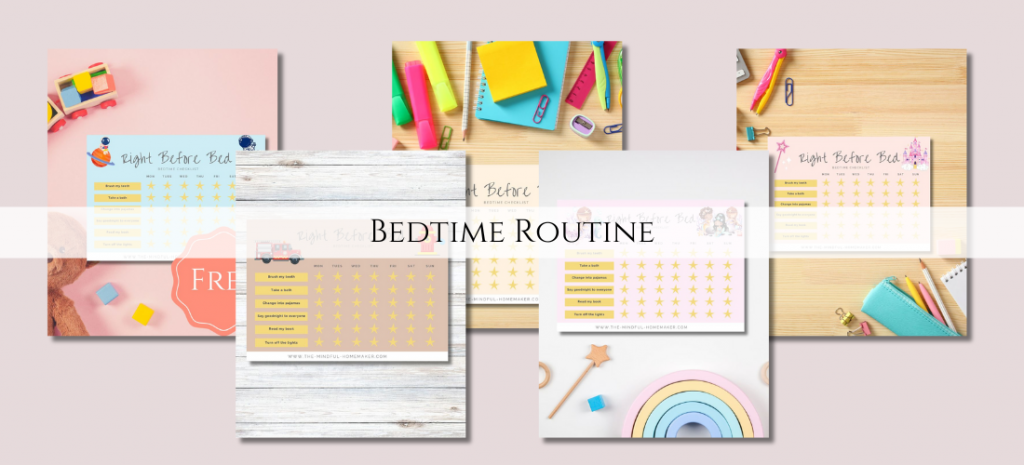
Using a kid’s bedtime chart by age in your home acts as a predictable routine for your child. This soothes their mind and offers security and confidence to fall asleep on their own. If your child is a toddler, they could participate in checking off the boxes on the chart. This involves them in the process and allows them some form of autonomy.
A child friendly bedtime chart of daily routines will also teach your child the relevance of self-care and improve cognitive skills (memory, attention, responsibility, social skills and academic performance).
How to overcome common bedtime struggles:
Refusal to sleep:
Try to involve your child in some of the decisions. For example choosing between two pyjama sets or a story book. Offer positive reinforcement when they accomplish a task.
Night walk-ins :
make sure to provide enough rest to your child during the day. An overtired child will have a disruptive sleep. In case they come to you at night, comfort them and gently guide them back to their beds without much interaction.
Fears and nightmares:
Use a nightlight if your child is afraid of the dark. If the nightmares continue, try staying with your child until they fall asleep. For older kids, a journal to jot down their feelings can help in a lighter mind and heart before bedtime.
Overstimulation before bedtime:
Eat dinner a good hour before bedtime. Do not allow screen time in the evenings as the blue light interferers with the body’s ability to regulate proper sleep. Focus on calming and preferably quiet activities before bed.
If you haven’t started a bedtime routine for your child as yet, don’t worry, there’s still time. It only takes a few nights for the routine to start showing improvements in the sleeping pattern of your child. By following a routine consistently, you can see results as early as after the first week.
Be sure to make gradual changes to the existing routine to make it more harmonious.
Check out these FREE printable bedtime charts designed to help parents create bedtime routines for their children.



Click here for the Free Printables page to see all our bedtime routine charts. These templates are easy to download as a PDF.
A good tip is to print them out and laminate them. This will ensure you only ever need one.
By following a bed time routine, you create a peaceful and enjoyable evening experience for both you and your child.

Leave a Reply